 Waking Up Sweating
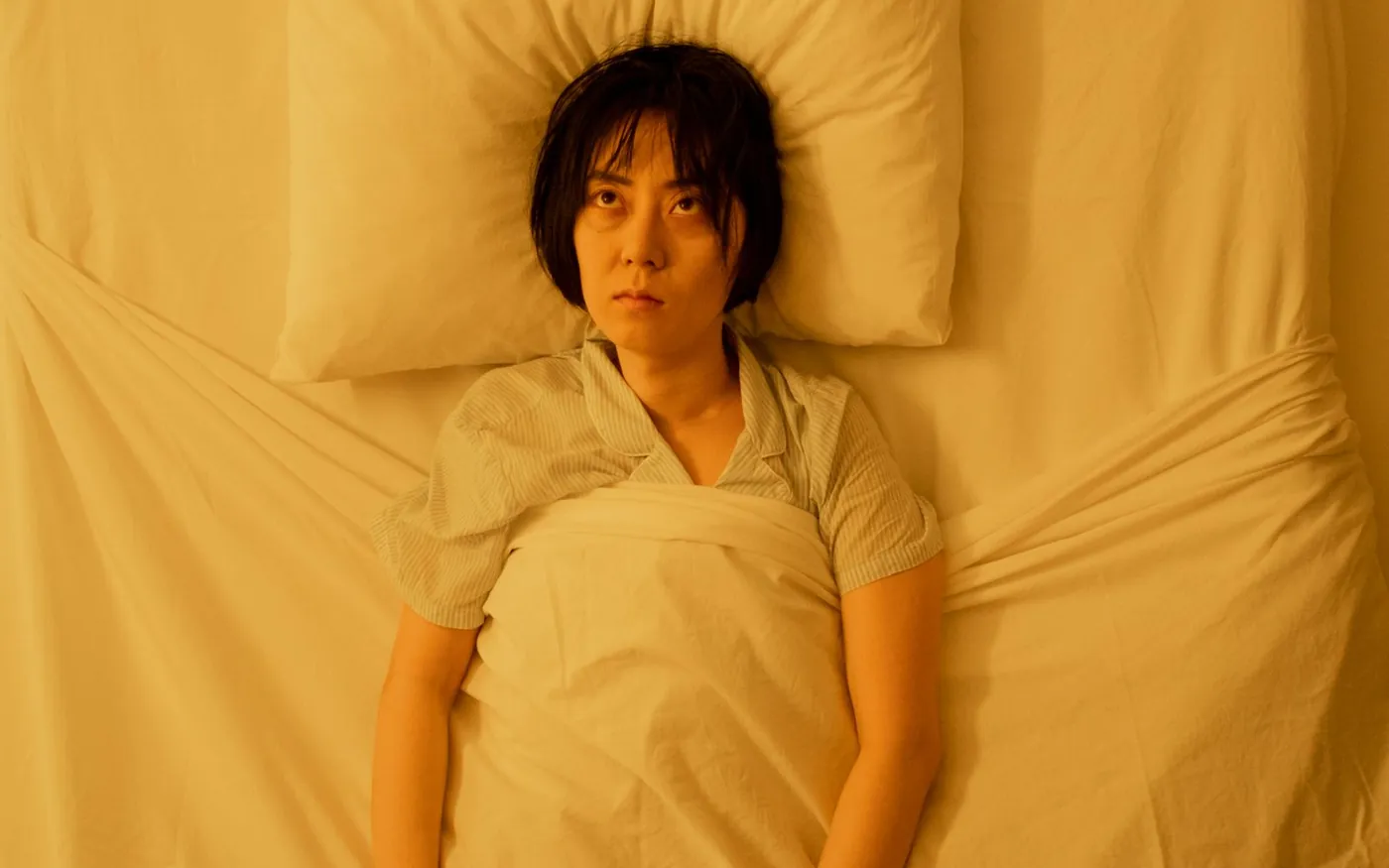
Waking up sweating is one of the most common sleep complaints there is, and it ruins nights in a particular way: you wake up hot and damp, kick the covers off, then lie there chilled and wide awake. The good news is that most cases come from things you can change. The important news is that a smaller number don't, and those are worth a conversation with a doctor.
Sweaty or true night sweats?
Doctors draw a line between the two. Feeling a bit damp under a thick comforter on a warm night is normal heat loss. Night sweats are repeated episodes of heavy sweating during sleep that soak your sleepwear or bedding, according to Mayo Clinic and MedlinePlus, and they can happen even when the bedroom is cool.
| What you notice | Most likely | First step |
|---|---|---|
| Damp neck and back, worse under a heavy duvet or on warm nights | Overheating from the room or bedding | Cool the room, lighten the layers |
| Hot only where you touch the mattress | Mattress or topper holding heat | Cool the sleep surface |
| Sudden heat in the face and chest, then chills | Hot flash (perimenopause, menopause) | Cooling plus a talk with your doctor |
| Sweaty after drinks, a big dinner or a spicy meal | Alcohol or food raising body heat | Earlier, lighter evenings |
| Started with a new prescription | Medication side effect | Ask your prescriber; don't stop on your own |
| Drenched sheets in a cool room, with fever, weight loss or cough | Possible infection or other illness | See a doctor |
The causes, from most to least common
1. A room or bed that's simply too warm
Your core temperature dips as you fall asleep and stays lower through the night. Cleveland Clinic puts the ideal bedroom at roughly 60 to 67°F for most adults. Memory foam, thick toppers, flannel sheets and a partner radiating body heat can keep your skin hotter than the air around you, which is why plenty of people wake up sweating even with the air conditioning on. If this sounds like you, our sister guide on why some people sleep hot goes deeper into the heat-trapping side.
2. Alcohol, late meals and spicy food
Alcohol widens blood vessels near the skin and fragments sleep in the second half of the night, which is exactly when many people wake up damp. A large or spicy dinner close to bedtime raises heat production while you digest.
3. Hormones
Perimenopause and menopause are the best-known cause: falling estrogen makes the brain's temperature control more sensitive, so small changes trigger hot flashes and sweating. The days before a period, pregnancy and the weeks after giving birth can do it too.
4. Medications
Mayo Clinic lists several drug groups linked to night sweats, including some antidepressants, hormone therapies, diabetes medications (through low blood sugar) and fever reducers as they wear off. Never stop a medication without talking to whoever prescribed it.
5. Stress, anxiety and bad dreams
A nightmare or a surge of anxiety sets off the same fight-or-flight response as daytime stress: racing heart, fast breathing, sweating. We cover the heart-racing version in waking up sweating with a racing heart.
6. Medical conditions
Less commonly, night sweats are linked to an overactive thyroid, low blood sugar, sleep apnea, acid reflux, infections such as tuberculosis, and some cancers, including lymphoma. When no cause is found, doctors may call it idiopathic hyperhidrosis, which simply means the body produces too much sweat.
How to stop waking up sweating
- Drop the room into the 60s. A programmable thermostat, a fan or a cracked window all help.
- One breathable layer. Swap a heavy duvet for a light cotton or linen blanket you can push off without fully waking.
- Moisture-wicking sleepwear, or nothing at all.
- Earlier, lighter evenings. Finish alcohol and big meals a few hours before bed.
- Keep a night kit: water, a spare top and a small towel on the nightstand, so a sweat doesn't turn into a full wake-up.
- Cool the sleep surface. Room air only does so much when the mattress itself is the heat source. This is where active cooling helps most.
Good Sleep has a useful explainer on why overheating wakes you up in the middle of the night, and the bedding side is covered well in this guide to bedding for night sweats.
Cooling the bed, not just the room
We run this site for Good Sleep, so here's the product we'd point you to, with facts from trygoodsleep.com:
- A water-based topper that sits on your current mattress (Queen or King, up to 14 inches tall).
- Cools to 62°F and heats to 110°F, reaching your setting in about 15 minutes and holding it all night.
- King includes dual-zone, so each side can be set separately.
- Touch panel on the hub: no app, no Wi-Fi, no subscription.
- $1,479 one-time, free shipping, 30-night trial (15% restocking fee on returns), 1-year warranty.
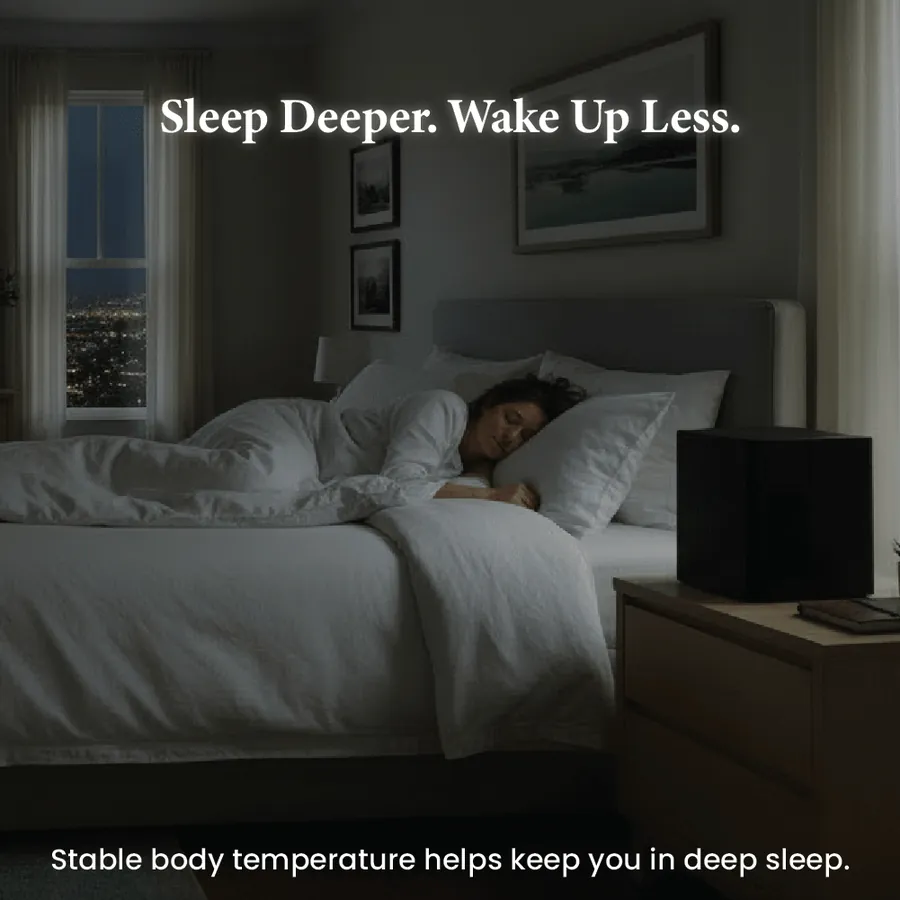 Shop now: Good Sleep cooling & heating topper →
When to see a doctor
Mayo Clinic and Cleveland Clinic advise making an appointment if your night sweats:
- happen regularly or keep interrupting your sleep
- come with a fever, unexplained weight loss, a persistent cough, diarrhea or pain in one area
- started after a new medication
- appear months or years after menopause symptoms had settled
Get urgent care for chest pain, trouble breathing, fainting, or a racing heart that won't settle. More on the everyday-versus-check-up question in waking up sweating every night.
Frequently asked questions
Why do I keep waking up sweating?
The most common reasons are a bed or room that is too warm, heavy bedding or pajamas that trap heat, alcohol or a late heavy meal, hormone shifts (perimenopause, menopause, the days before a period, after giving birth), certain medications, anxiety or bad dreams, and illness with fever. Less often it points to a condition such as an overactive thyroid, low blood sugar, sleep apnea or an infection.
What is the difference between sweating at night and night sweats?
Waking up a little damp under a thick duvet is usually your body cooling itself. Doctors use the term night sweats for repeated episodes of heavy sweating that soak your sleepwear or sheets, even when the room is not hot. Those are worth mentioning to a doctor.
Can a hot bedroom alone make me wake up sweating?
Yes. Your core temperature needs to drop at night. A warm room, a memory-foam mattress, a heavy comforter or a partner's body heat can push your skin temperature up until you sweat, and that often wakes you. Cleveland Clinic suggests a bedroom of roughly 60 to 67°F for most adults.
Is waking up sweating a sign of something serious?
Usually not, but it can be. Mayo Clinic and Cleveland Clinic advise seeing a doctor if night sweats happen regularly, disrupt your sleep, or come with fever, unexplained weight loss, a cough, pain or other new symptoms.
Why do I wake up sweating but feel cold?
After a sweat, the moisture on your skin evaporates and cools you fast, so you can go from drenched to chilly in minutes. Hormone-related hot flashes often follow this hot-then-cold pattern. Damp sheets make the chill worse.
What can I do tonight to stop waking up sweaty?
Cool the room, swap to one breathable layer you can kick off, wear light moisture-wicking sleepwear, skip alcohol in the last few hours before bed, keep water and a spare top by the bed, and cool the sleep surface itself if you sleep hot.
Does a cooling mattress pad help with waking up sweating?
Passive cooling sheets and gel layers feel cool at first but warm up as they absorb heat. An active, water-based system keeps pulling heat away all night. Good Sleep's topper, for example, circulates water that can be set as low as 62°F.
Should I drink water if I wake up sweating?
Yes, a few sips helps replace what you lost. A glass of water on the nightstand saves you a trip to the kitchen, which wakes you up more.